Safe Opening & Servicing: What the Process Actually Looks Like
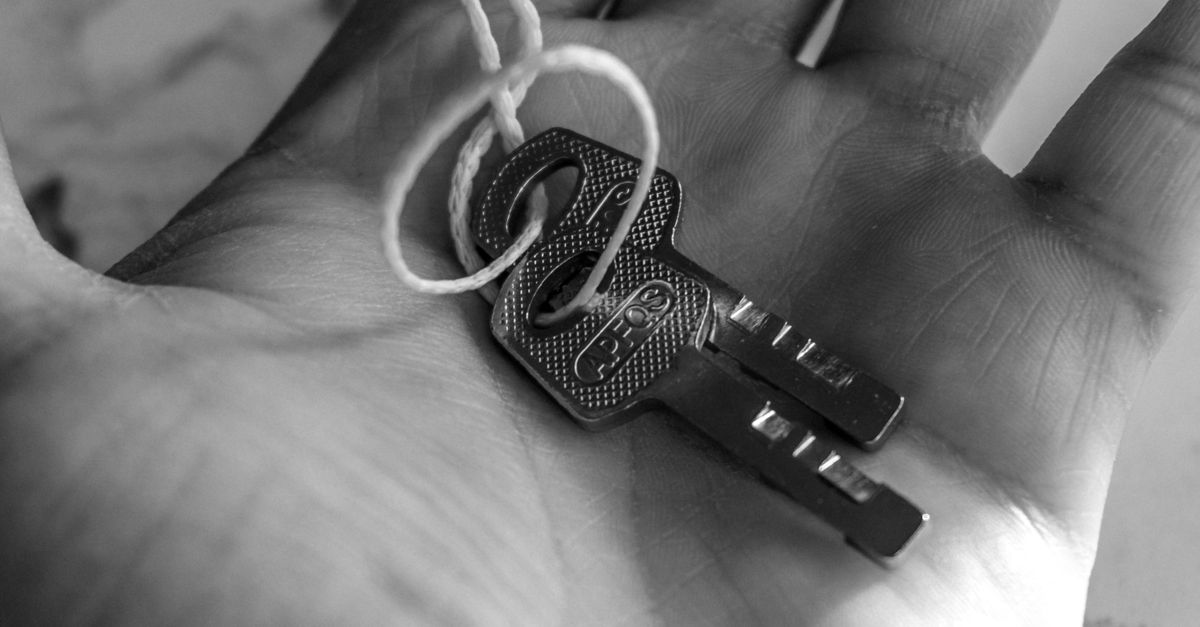
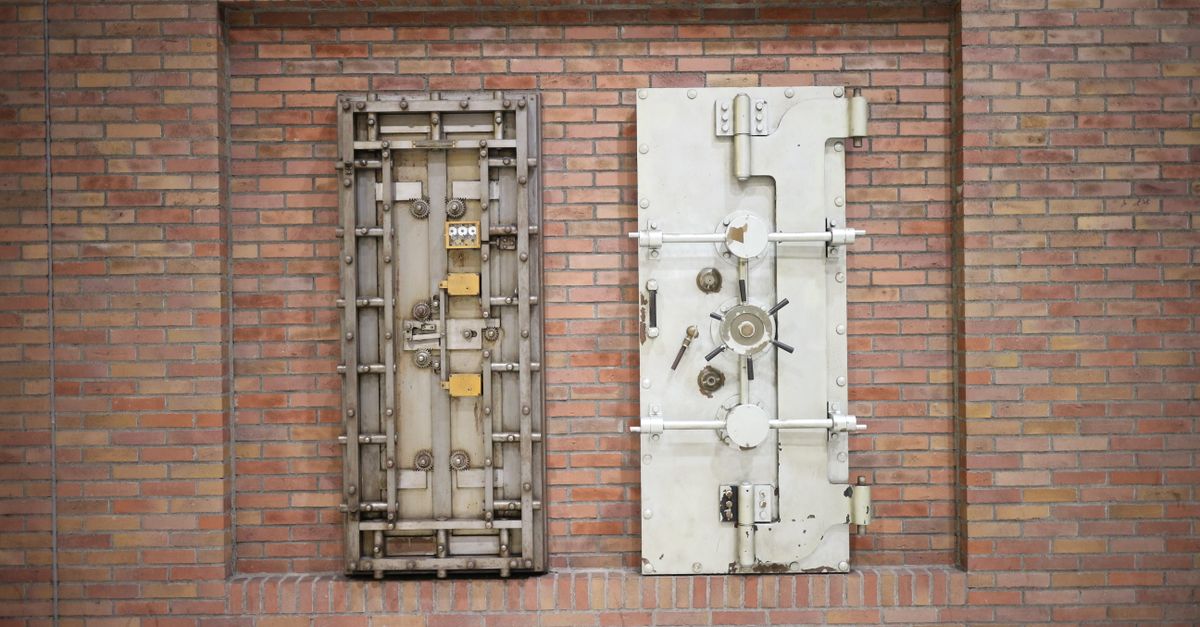
When a technician from our team arrives at your door, the first step is always ownership verification — a photo ID, a proof of residence or business registration, or similar documentation. This is non-negotiable and protects you as much as it protects us. Once identity is confirmed and an upfront quote is agreed upon, the real diagnostic work begins. Our technicians assess the safe brand, model, locking mechanism type (combination dial, electronic keypad, redundant key lock, or multi-point bolt), and the nature of the failure before selecting the right approach.
Damage-free opening is the goal in virtually every scenario. The techniques our team uses depend entirely on the safe's construction — a thin-gauge steel home safe requires a completely different approach than a high-security commercial fire safe or a floor safe embedded in concrete. In many cases, a malfunctioning electronic lock can be reset or bypassed through manufacturer-approved procedures without drilling. When drilling is genuinely the only option, our technicians use precision equipment and restore the safe's functionality afterward wherever possible. We carry common replacement lock components in our mobile units so servicing can often be completed in a single visit.