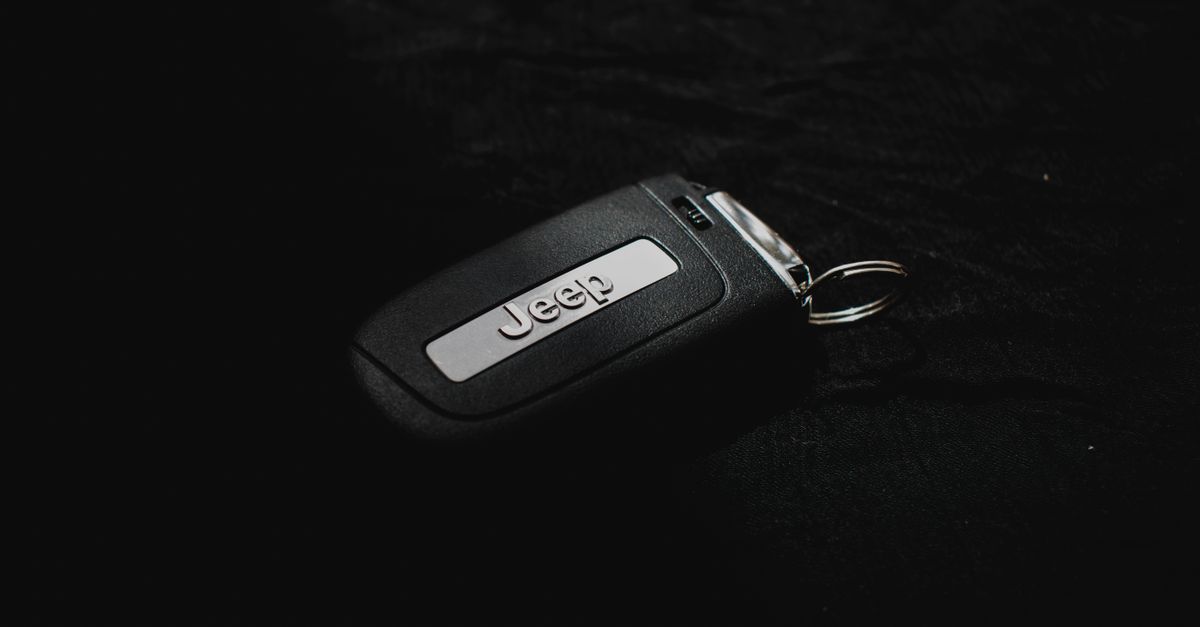
Audi Car Key Replacement: What Makes These Keys Different
Audi has used increasingly complex key technology over the past two decades. Older models from the late 1990s and early 2000s may use a basic transponder key — a blade with an embedded microchip that must be matched to the car's ECU before the engine will start. More recent Audi models use a flip-style remote key fob that combines a physical blade with remote lock and unlock functions, while the latest Audi A-series and Q-series vehicles feature a proximity smart key (also called an Advanced Key) that allows push-button start without removing the fob from your pocket. Each generation requires a different programming process, and our technicians carry the equipment to handle all of them.
A damaged or non-functional key fob is not always a replacement job — sometimes the issue is a dead battery, a worn contact inside the fob housing, or a programming error that can be corrected on the spot. We diagnose the root cause first so you are not paying for a full replacement when a repair will do. When a new key is genuinely needed, we cut it to your vehicle's specific bitting code using precision key-cutting machinery and then run the programming sequence through a direct connection to your Audi's OBD port, all without causing damage to the vehicle or its electronics.