Toyota, Lexus, and Scion vehicles — extremely common in the South Bay — use a tiered key system. Older models use a basic transponder that is relatively straightforward to clone, while newer Toyota smart keys and Lexus proximity fobs require OBDII-port programming and, in some trims, dealer-level security clearance that our equipment supports. Honda and Acura keys follow a similar pattern: older chipped keys program quickly, while recent Honda Sensing-equipped models with proximity start add a layer of rolling-code verification. Chevy, GMC, and Cadillac vehicles using GM's PassLock or PassKey III systems need pin-value extraction before a new transponder will register — a step our technicians handle without a trip to a dealership. Ford and Lincoln remote-proximity keys, including the F-series trucks common in Hermosa Beach trade work, use PATS (Passive Anti-Theft System) and typically require two working keys to self-program, or one working key plus our diagnostic tool to add a new one. Chrysler, Dodge, and Jeep models with Sentry Key technology need the new key's transponder ID written to the vehicle's PCM — done via our onboard interface. BMW and Mini Cooper keys, including the sophisticated display-key models on newer 5-series and 7-series vehicles, require manufacturer-level coding and are among the more involved replacements we perform, but they are well within our capability. Mercedes-Benz Infrared and NTG5-era smart keys likewise call for intensive programming, and our technicians verify full functionality — locks, trunk, remote start where applicable — before closing out any job.
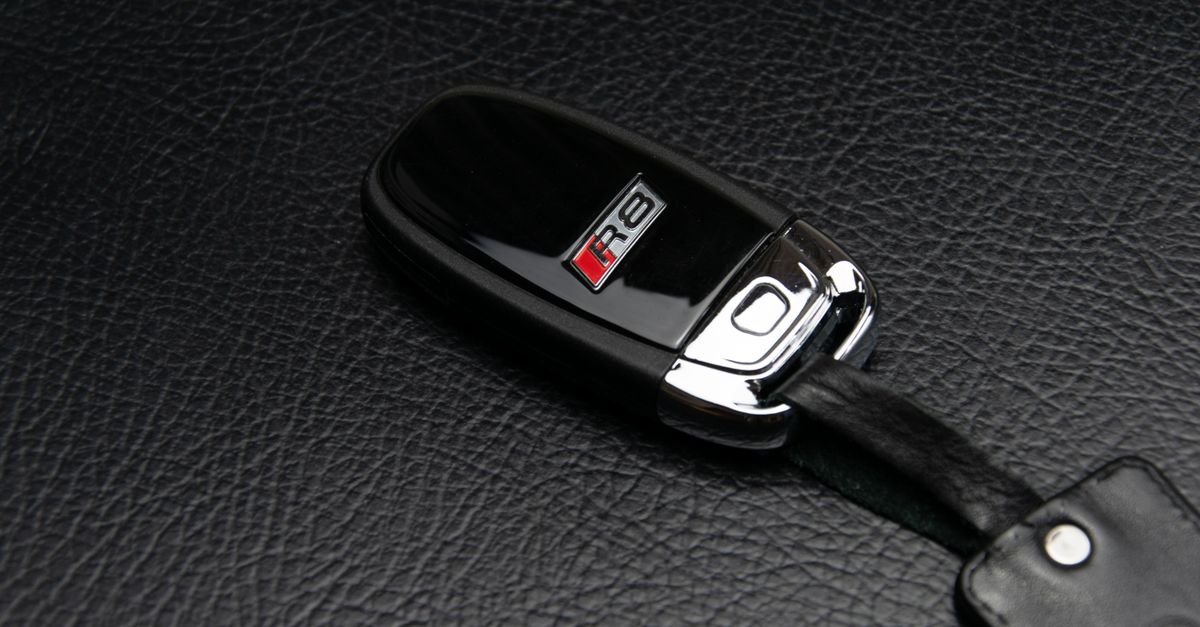
Hyundai and Kia vehicles, popular for their reliability and abundant on Hermosa Beach streets near the downtown retail corridor, shifted to a push-button proximity system across most of their lineup after 2016, requiring OBDII programming rather than a simple chip clone. Nissan and Infiniti Intelligent Key fobs use an in-vehicle registration sequence that our tools can trigger without a second working key present. Subaru Outback and Forester models with push-to-start need the new proximity key added through the BCM, and all previously registered keys remain functional — important if you still have a spare at home. Mazda smart keys and Honda Fit flip-keys each have distinct registration protocols but are handled within the same mobile visit. For luxury and exotic vehicles — Porsche, Audi, Volvo, Land Rover — key replacement is intensive but not impossible in the field; these are the jobs where our technicians take additional time to confirm every system is communicating before we hand the key over. Whatever the brand, we confirm an exact up-front price before any work begins, so there are no surprises when the job is done.