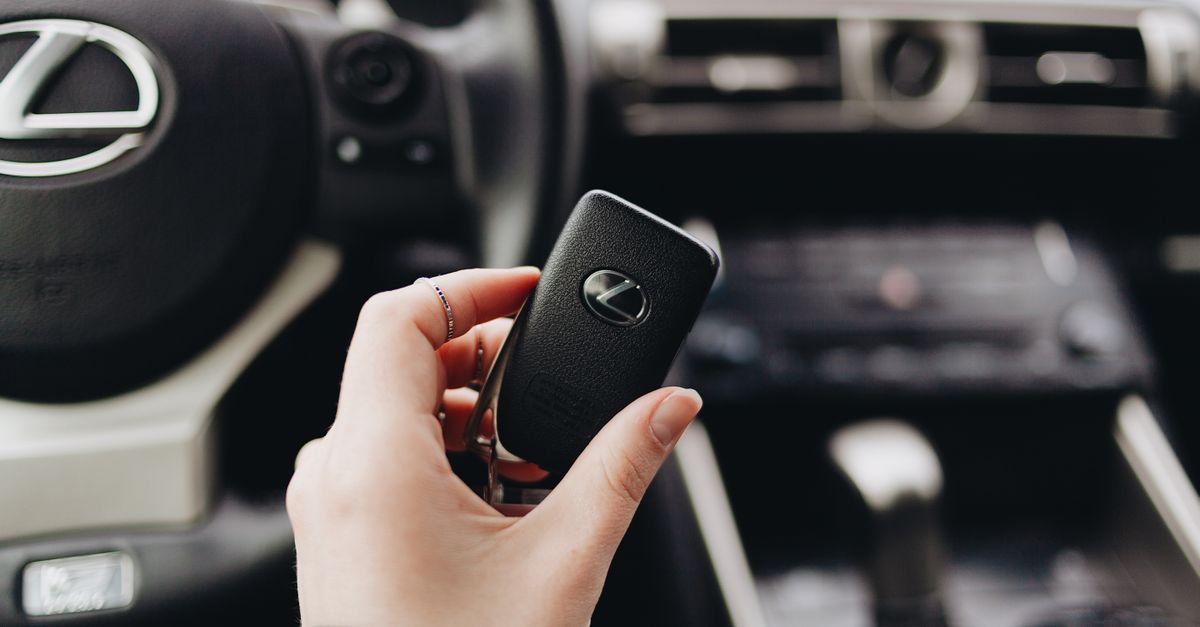
Toyota Car Key Replacement: What Makes Toyota Keys Different From the Rest
Toyota has used layered key security across its lineup for decades. Older models like the early Tacoma and Corolla used basic metal-cut keys, but from the mid-1990s onward Toyota introduced transponder chips embedded in the key head. These chips communicate with the vehicle's immobilizer system — if the car doesn't recognize the chip's unique signal, the engine won't start even if the key turns perfectly in the ignition. Skip forward to current models and you're looking at smart key systems with proximity sensors, push-button start, and encrypted rolling codes that change every time you use the fob. Each generation requires a different approach, different hardware, and different programming procedures.
That complexity is exactly why a proper Toyota car key replacement is not a one-size-fits-all job. A replacement key that hasn't been cut to the correct blade profile won't turn. A transponder that hasn't been programmed to match your vehicle's immobilizer ID will leave you unable to start the car even after you've unlocked the door. Our technicians arrive with laser-cut key machines, OBD-II compatible programming devices, and the model-specific data to handle Camry, Corolla, Tundra, 4Runner, Tacoma, Prius, Highlander, Avalon, Sienna, and RAV4 keys — cutting and programming on the spot, typically faster than scheduling a dealership appointment and waiting days for a part to arrive.